
Living Well with Type 2 Diabetes Through Smart Food Choices
Discover evidence-based nutritional guidance and safe food selections designed specifically for managing type 2 diabetes effectively every day.
Why Food Choices Matter for Type 2 Diabetes Management
Food selection plays a crucial role in maintaining stable blood sugar levels and overall wellness. When you understand which foods support your nutritional goals and which ones may cause rapid blood sugar fluctuations, you gain confidence in making daily choices that align with your health priorities.
The right foods can help reduce inflammation, support healthy weight management, improve energy levels, and decrease the risk of long-term complications. Rather than viewing meals as restrictions, this approach emphasises delicious, nutrient-dense options that support your body's natural balance.
Our editorial team has compiled comprehensive guidance on vegetables, proteins, whole grains, healthy fats, and portion strategies that work well for those managing type 2 diabetes. Each recommendation is rooted in nutritional science and practical everyday eating patterns.
Key Nutritional Principles for Daily Eating
Prioritise Non-Starchy Vegetables
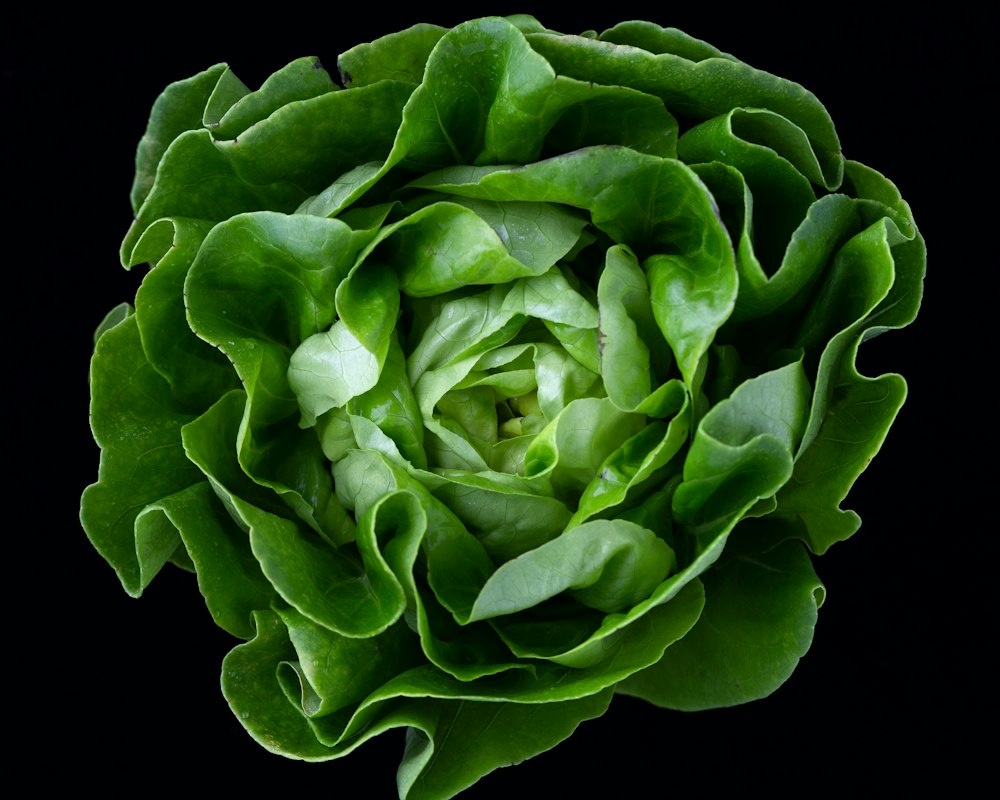
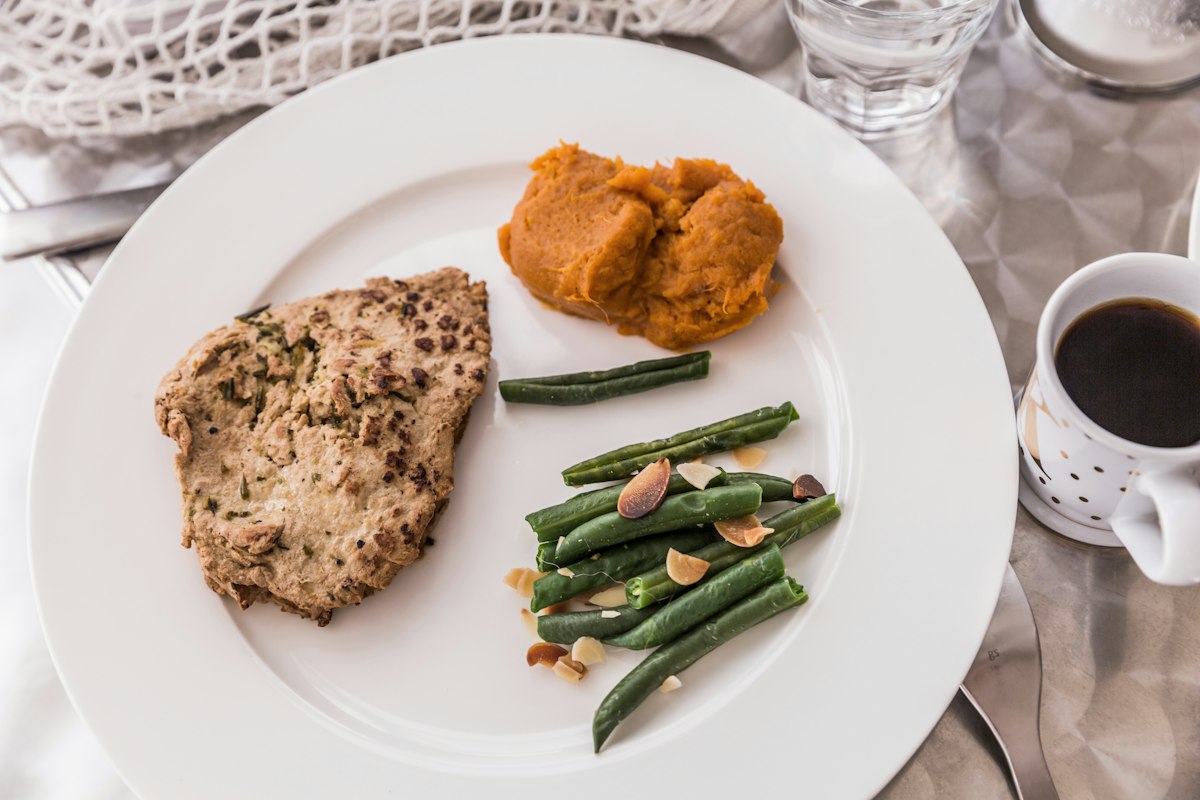
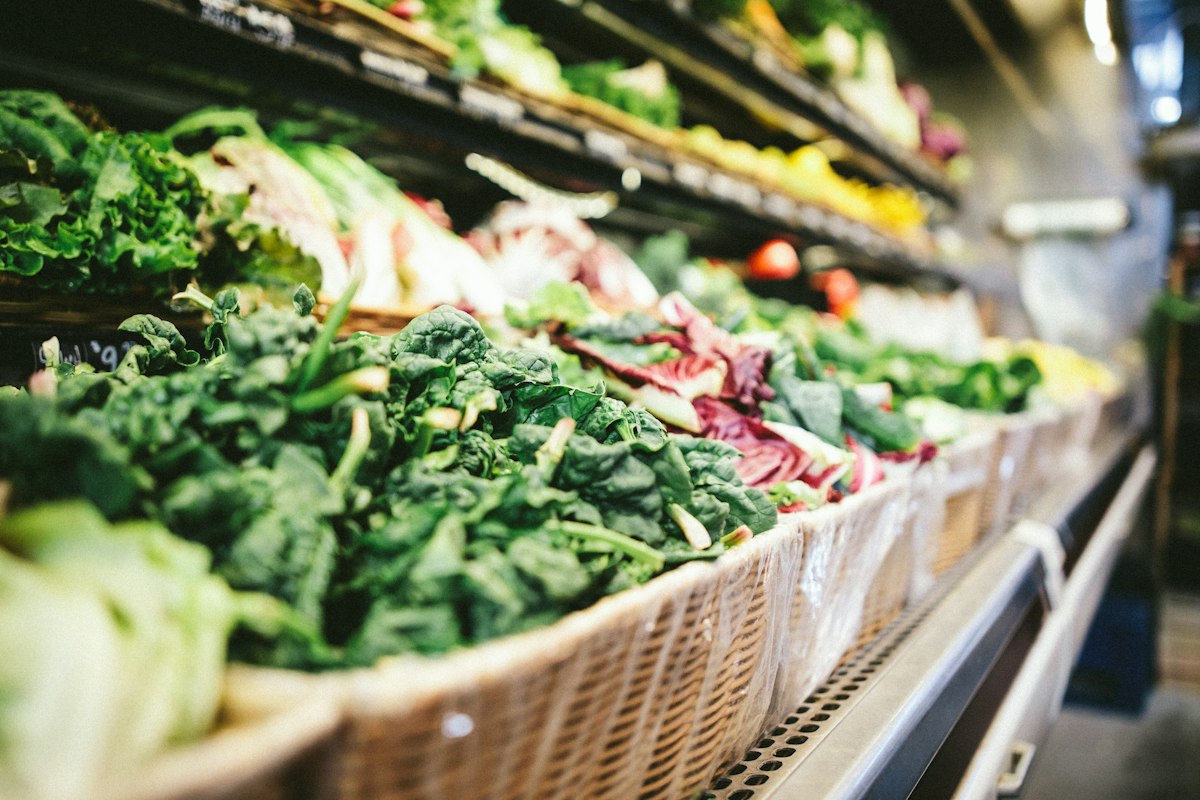
Fill half your plate with leafy greens, broccoli, cauliflower, peppers, and zucchini. These vegetables are rich in fibre and micronutrients while having minimal impact on blood sugar levels, making them ideal for every meal.
Include Quality Protein Sources
Lean meats, fish, eggs, legumes, and nuts provide sustained energy without dramatic blood sugar spikes. Aim to include protein with each meal to enhance satiety and metabolic stability throughout the day.
Choose Whole Grains in Moderation
When including grains, select whole options like oats, quinoa, and brown rice in controlled portions. Pair them with protein and fat to slow glucose absorption and maintain steady energy levels.
Embrace Healthy Fats
Olive oil, avocados, nuts, and fatty fish contain beneficial fatty acids that support heart health and nutrient absorption. These fats help create more satisfying meals with minimal blood sugar impact.
Master Portion Control
Understanding appropriate serving sizes helps prevent overeating and maintains balanced nutrient intake. Visual guides and simple measuring strategies make portion management practical and intuitive.
Stay Consistently Hydrated
Water supports metabolic function and helps manage hunger cues. Limiting sweetened beverages and focusing on water, herbal teas, and unsweetened options protects blood sugar stability.
Safe Foods Visual Guide
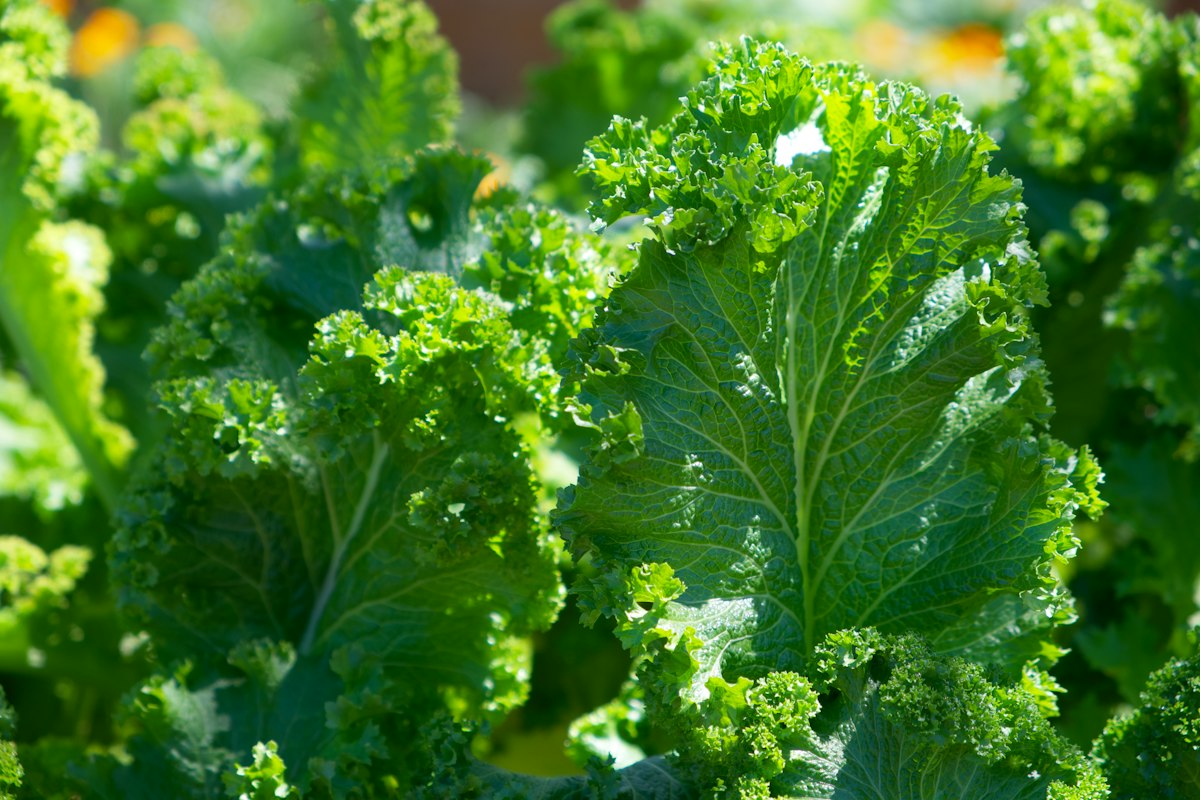
Non-Starchy Vegetables
Spinach, kale, broccoli, cauliflower, peppers, cucumber, zucchini, asparagus, green beans. These vegetables contain fibre and nutrients with minimal carbohydrate impact.
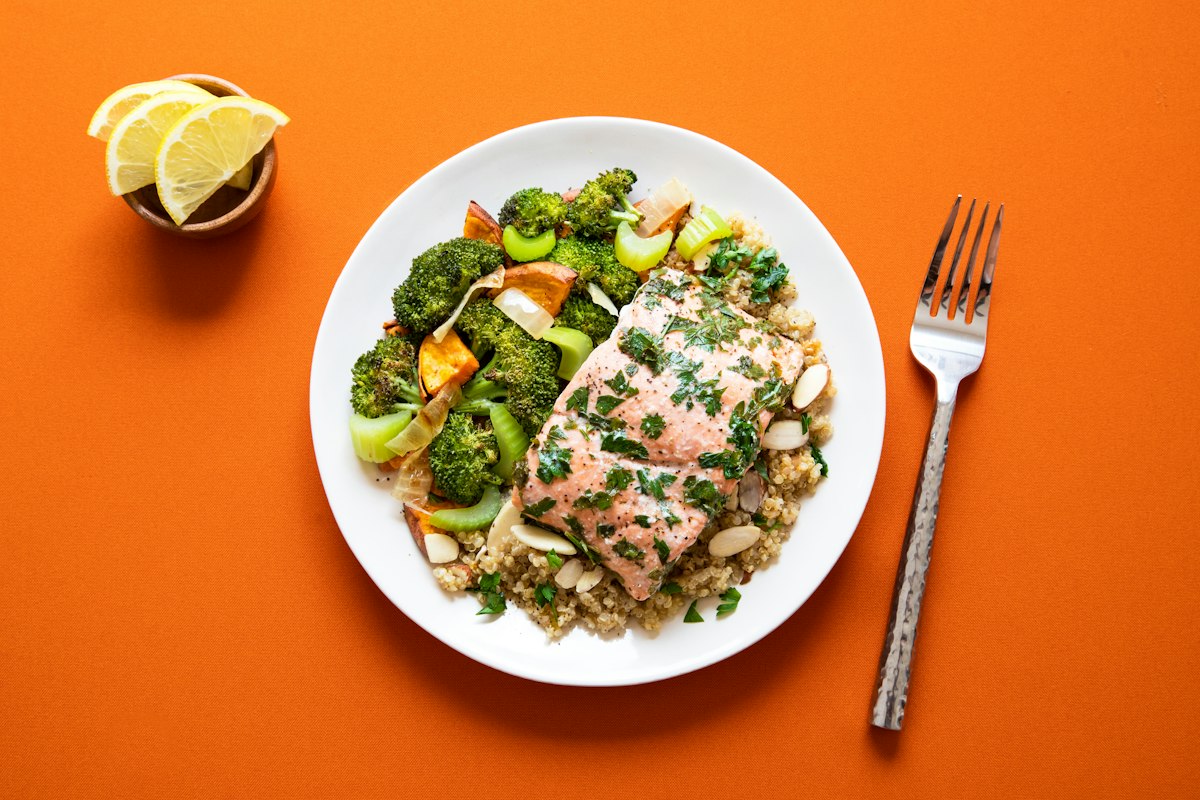
Quality Protein Sources
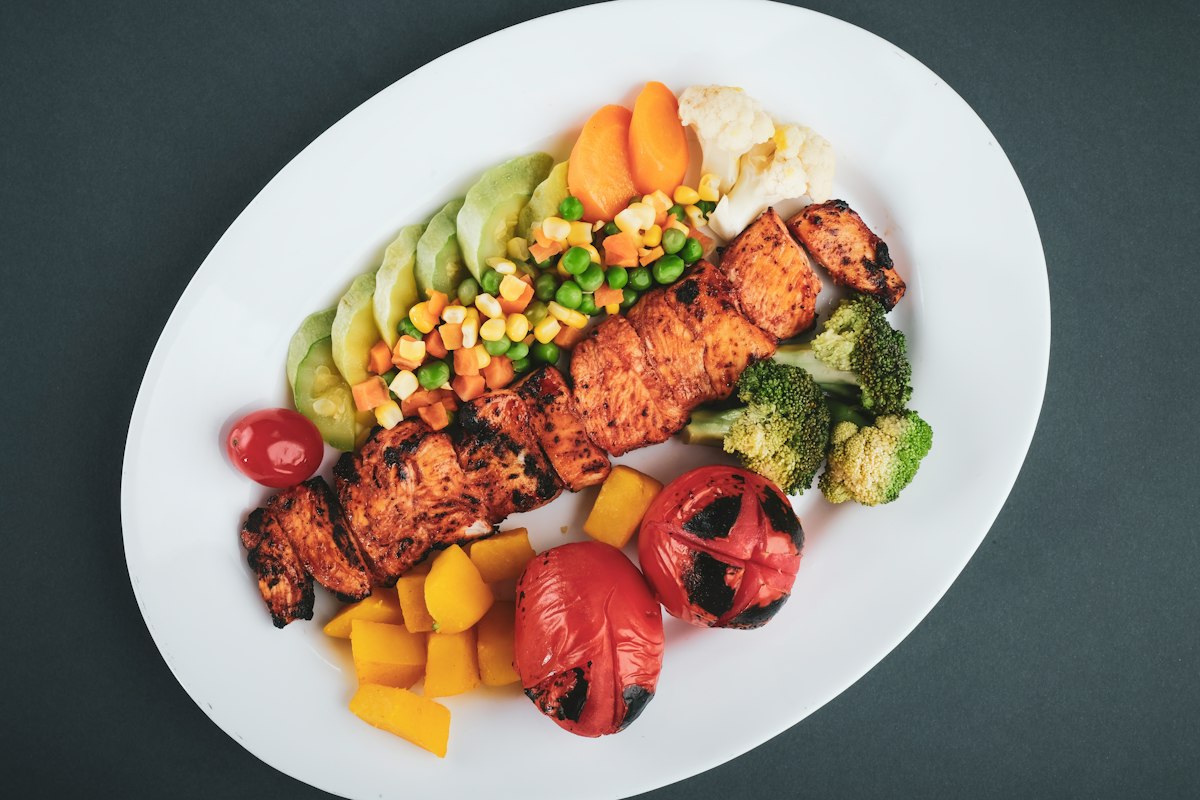
Skinless chicken, salmon, mackerel, eggs, Greek yoghurt, cottage cheese, lentils, chickpeas. Proteins provide sustained energy and help regulate blood sugar responses.

Whole Grain Choices
Oats, brown rice, quinoa, barley, whole wheat bread (in moderation). Choose high-fibre options and pair with protein to slow carbohydrate absorption.
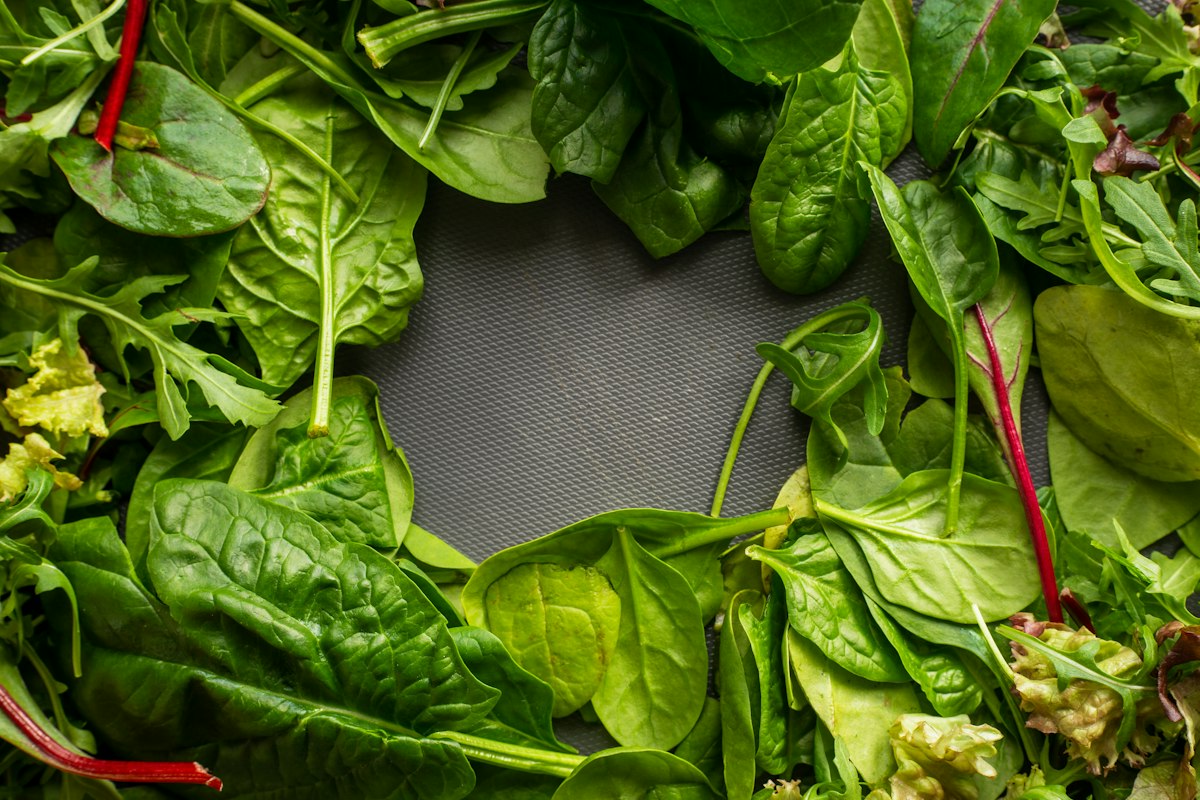
Healthy Fats
Olive oil, avocados, almonds, walnuts, seeds, fatty fish. These fats support nutrient absorption and provide lasting satiety without blood sugar spikes.
Lower Glycemic Fruits
Berries, apples, pears, peaches (in appropriate portions). These fruits contain fibre and beneficial compounds with a slower impact on blood sugar than tropical fruits.
Smart Dairy Options
Greek yoghurt, cottage cheese, unsweetened almond milk, plain milk (in moderation). Choose unsweetened varieties and pair with protein for balanced nutrition.
Understanding Your Nutritional Needs
Simple Steps to Build Healthy Eating Habits
Learn Your Personal Triggers
Understand which foods affect your energy and wellness most noticeably. Keep simple notes about how different meals make you feel throughout the day, and adjust accordingly.
Plan Meals in Advance
Spending time each week to plan breakfast, lunch, and dinner reduces impulsive choices and ensures you have safe, nutritious options readily available when hunger strikes.
Prepare Ingredients Ahead
Wash vegetables, cook proteins, and portion snacks on designated preparation days. This removes barriers to making healthy choices when time is limited.
Adjust and Celebrate Progress
Healthy eating is a progressive journey, not a destination. Celebrate small victories, learn from challenges, and continuously refine your approach based on your body's response.
Frequently Asked Questions
Can I eat fruit with type 2 diabetes?
Yes, but with mindful portion control. Lower glycemic fruits like berries, apples, and pears can be included in moderate amounts, typically around one small serving per day. Always pair fruit with protein or healthy fat to slow blood sugar impact. Tropical fruits like mangoes and bananas should be consumed less frequently and in smaller portions.
How important is meal timing?
Consistent meal timing helps regulate hunger cues and blood sugar patterns throughout the day. Eating at similar times each day supports your body's natural rhythms. However, individual needs vary—some people benefit from three meals with snacks, while others do better with fewer, larger meals. Listen to your body's hunger signals.
What snacks are safe to eat between meals?
Protein-based snacks work best: nuts, seeds, hard-boiled eggs, Greek yoghurt, or cheese. Vegetable snacks like carrot sticks, cucumber, or celery with hummus provide fibre without blood sugar spikes. Avoid processed snacks high in refined carbohydrates and added sugars, which can cause rapid glucose fluctuations.
How do I handle eating at restaurants?
Review menus online beforehand to identify safe options. Request substitutions like extra vegetables instead of bread or rice. Choose grilled or baked proteins, ask for dressings and sauces on the side, and don't hesitate to ask questions about how dishes are prepared. Most restaurants accommodate special requests willingly.
Are artificial sweeteners a good alternative?
Artificial sweeteners don't cause blood sugar spikes like sugar does, making them acceptable in moderation. However, focus primarily on whole foods rather than sugar-free processed alternatives. Some research suggests limiting artificial sweetener intake, so use them strategically rather than as everyday replacements for all sweet foods.
Can I drink alcohol with type 2 diabetes?
Moderate alcohol consumption may be acceptable for some individuals, but always consult with your healthcare provider first. If approved, choose dry wines or spirits without sugary mixers. Alcohol can affect blood sugar levels, so drink with food and monitor your body's response carefully over time.
What Our Readers Are Saying
Our food guide helps users approach daily meals with greater intention and awareness. I've found that using the vegetable-first approach genuinely helps me feel more energetic throughout the day. The practical tips about portion sizes and meal combinations make eating simple rather than overwhelming."
Sarah Mitchell
Manchester, England
"I was confused about which foods were actually safe to eat regularly. This guide breaks everything down into simple categories that make sense. The meal planning resources have saved me so much time, and knowing I'm making evidence-based choices gives me genuine peace of mind."
James Robertson
Birmingham, England
"What I appreciate most is that this isn't restrictive—it's actually about enjoying delicious food that supports my wellness. The detailed information about healthy fats and proteins has completely reframed how I think about nutrition. I feel confident making choices independently now."
Emma Thompson
Leeds, England
Start Your Meal Planning Journey Today
Discover detailed food guides, meal planning templates, and evidence-based nutritional strategies designed to help you manage type 2 diabetes through informed food choices.
Subscribe to Our Newsletter
Receive updates about new articles, nutritional research, and meal planning resources delivered directly to your inbox.