
Safe Foods for Type 2 Diabetes
Discover evidence-based food choices that support healthy blood sugar levels and overall wellbeing. Your comprehensive guide to nutritious eating for diabetes management.
Key Features of Diabetes-Friendly Eating
Whole Foods Focus
Emphasize unprocessed, natural foods rich in nutrients and fibre that promote stable blood sugar levels throughout the day.
Low Glycaemic Index
Choose foods that release energy slowly, preventing rapid spikes in blood glucose and helping maintain steady energy levels.
High in Fibre
Dietary fibre helps regulate digestion, improves satiety, and supports cardiovascular health—essential for diabetes management.
Heart-Healthy Options
Prioritise foods rich in unsaturated fats and omega-3s to support cardiovascular wellbeing alongside blood sugar control.
Understanding Safe Food Choices
Making informed food choices is fundamental to managing blood sugar levels naturally. Safe foods for type 2 diabetes share common characteristics: they're nutrient-dense, low in refined carbohydrates, and high in fibre. These foods help your body process glucose more efficiently and maintain steady energy throughout the day.
The key is learning which foods support your health goals and which to consume in moderation. Non-starchy vegetables, lean proteins, healthy fats, and low-glycaemic whole grains form the foundation of a diabetes-friendly diet. Understanding portion sizes and food combinations helps create balanced meals that work with your body's natural metabolism.
Our evidence-based guidance helps you identify foods that truly support your wellbeing, empowering you to make confident nutritional decisions every day.
Explore Food Guide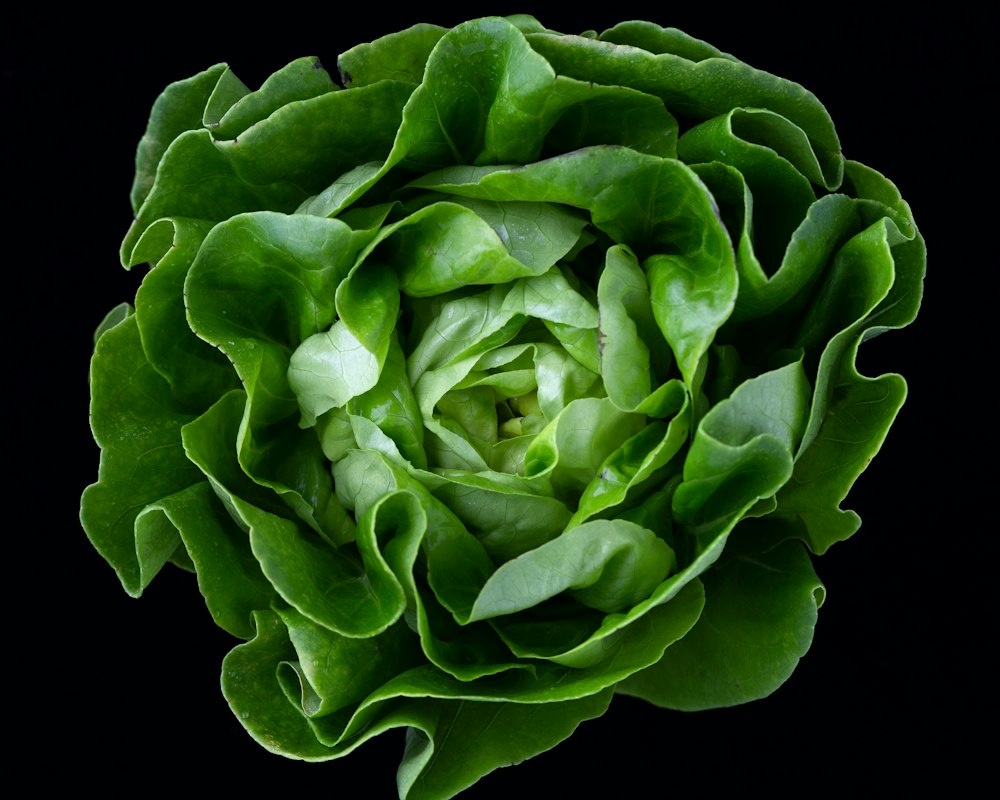
Top Safe Food Categories
Non-Starchy Vegetables
Leafy greens, broccoli, cauliflower, peppers, cucumber, and courgette are packed with vitamins and minerals while having minimal impact on blood sugar. Aim for variety and colour to maximise nutritional benefits.
- Low carbohydrate content
- High in antioxidants
- Excellent fibre source
Lean Proteins
Fish, poultry, lean meats, and plant-based proteins help build muscle, support satiety, and have minimal effect on blood glucose. Include omega-3 rich options like salmon and mackerel regularly.
- Supports muscle maintenance
- Promotes fullness longer
- Omega-3 benefits
Whole Grains
Oats, brown rice, quinoa, and whole-wheat bread provide sustained energy with lower glycaemic impact than refined grains. Portion control remains important even with healthy carbohydrates.
- Sustained energy release
- Rich in micronutrients
- Supports digestive health
Eggs & Dairy
Eggs and unsweetened yoghurt are nutrient-dense choices with minimal blood sugar impact. Choose plain versions and watch portion sizes, particularly with higher-fat dairy products.
- Complete protein source
- Rich in choline
- Calcium support
Healthy Fats
Nuts, seeds, avocado, and olive oil provide essential fatty acids and promote satiety. These foods slow carbohydrate absorption and support cardiovascular health when consumed in moderation.
- Heart-protective properties
- Anti-inflammatory benefits
- Slows glucose absorption
Low-Glycaemic Fruits
Berries, citrus fruits, and apples deliver vitamins and fibre with minimal blood sugar impact. Portion awareness is key—these foods contain natural sugars that require mindful consumption.
- Antioxidant powerhouses
- Gentle on blood sugar
- Fibre and vitamin rich
Step-by-Step Meal Planning Workflow
Assess Your Current Habits
Start by understanding what you currently eat and when. Keep a simple food journal for three days, noting meals, portions, and how you feel afterward. This baseline helps identify patterns and opportunities for improvement without sudden drastic changes.
Build Your Safe Food List
Create a personalised list of diabetes-friendly foods you genuinely enjoy. Include non-starchy vegetables, lean proteins, whole grains, and healthy fats. Focus on foods that are accessible in your local UK shops and fit your cooking preferences and cultural background.
Plan Balanced Meals
Structure each meal with one-quarter protein, one-quarter whole grains or starchy vegetables, and one-half non-starchy vegetables. This balanced plate approach naturally regulates portion sizes and provides sustained energy throughout the day.
Implement Gradually
Make one or two changes per week rather than overhauling your diet overnight. Replace one sugary drink with water, add an extra vegetable portion to dinner, or swap white bread for whole-grain. Small, sustainable changes create lasting habits and reduce overwhelming feelings.
Quick Implementation Tips
- Meal prep on weekends: Prepare grilled chicken, roasted vegetables, and cooked grains to simplify weekday decisions.
- Keep emergency options ready: Stock your kitchen with tinned tomatoes, frozen vegetables, nuts, and eggs for quick safe meals.
- Read food labels: Check carbohydrate content and fibre amounts to make informed choices at the supermarket.
- Stay hydrated: Drink water throughout the day to support digestion and avoid confusing thirst with hunger.
- Practice portion awareness: Use your hand as a guide—protein the size of your palm, carbs the size of your fist, fats the size of your thumb.
- Track progress beyond scales: Notice increased energy, better sleep, improved mood, and clearer thinking as success indicators.
Frequently Asked Questions
Can I eat fruit if I have type 2 diabetes?
Yes, but choose low-glycaemic fruits in modest portions. Berries, apples, and citrus fruits are excellent choices because they're rich in fibre and vitamins while having minimal blood sugar impact. Avoid fruit juices and dried fruits, which are concentrated sources of natural sugars. Pair whole fruit with protein or healthy fats to slow glucose absorption.
What about carbohydrates—should I avoid them completely?
No—you need carbohydrates for energy, but focus on whole-grain, high-fibre versions. White bread, white rice, and refined cereals cause rapid blood sugar spikes, while brown rice, oats, barley, and whole-wheat products release energy slowly. The key is choosing quality carbohydrates in appropriate portions rather than elimination.
How do I read food labels for carbohydrate content?
Check the "Carbohydrates" line on the nutrition label, then look at "of which sugars" beneath it. For packaged foods, choose products with less than 5g of sugar per serving when possible. Also examine fibre content—fibre reduces the net carbohydrate impact. The UK labels use a traffic light system; green is best, amber requires moderation, red indicates higher sugar foods.
Are there foods I should completely avoid?
Rather than "forbidden," think of foods as "occasional" rather than "daily." Sugary drinks, sweets, pastries, and heavily processed foods offer little nutritional benefit and rapidly spike blood glucose. These can occasionally be included if they fit into your overall eating pattern, but they shouldn't form the foundation of your diet. Focus on abundance—adding healthy foods rather than obsessing over restriction.
Can portion size matter if I'm eating safe foods?
Absolutely. Even healthy foods like whole grains, nuts, and oils contain calories and carbohydrates. Portion control is crucial—a handful of nuts, a slice of whole-grain bread, or a tennis-ball-sized serving of rice represent appropriate portions. Using smaller plates, eating slowly, and pausing to check hunger cues help maintain natural portion awareness without obsessive measuring.
How do meal timing and frequency affect blood sugar?
Regular eating patterns help maintain stable blood glucose throughout the day. Three balanced meals with one or two small snacks—spread 3–4 hours apart—is ideal for most people. Skipping meals can lead to overeating later, while grazing on sugary snacks causes constant blood sugar fluctuations. Find a rhythm that suits your schedule and energy needs.
What Readers Are Saying
"This guide completely changed how I approach eating. I finally understand which foods actually support my blood sugar instead of guessing. The step-by-step meal planning advice made it easy to transition without feeling deprived. I feel more energetic than I have in years."
Margaret Thompson
Manchester, UK
"The food categories breakdown was exactly what I needed. I didn't realise how many delicious options were actually safe for me. Instead of removing foods, I've been adding nutritious vegetables and proper proteins. My family has started eating better too because the meals taste great."
David Chen
Leeds, UK
"Finally, practical advice that doesn't involve restriction and punishment. The emphasis on gradual implementation was perfect for me—I wasn't overwhelmed. Reading labels makes so much sense now, and I enjoy shopping because I understand what I'm looking for. Highly informative."
Sarah Williams
Birmingham, UK
Download Your Free Food Guide
Get our comprehensive guide featuring detailed safe food lists, portion guidelines, quick meal ideas, and shopping tips optimised for UK supermarkets. A practical resource you can reference whenever you need confidence in your food choices.
Download Guide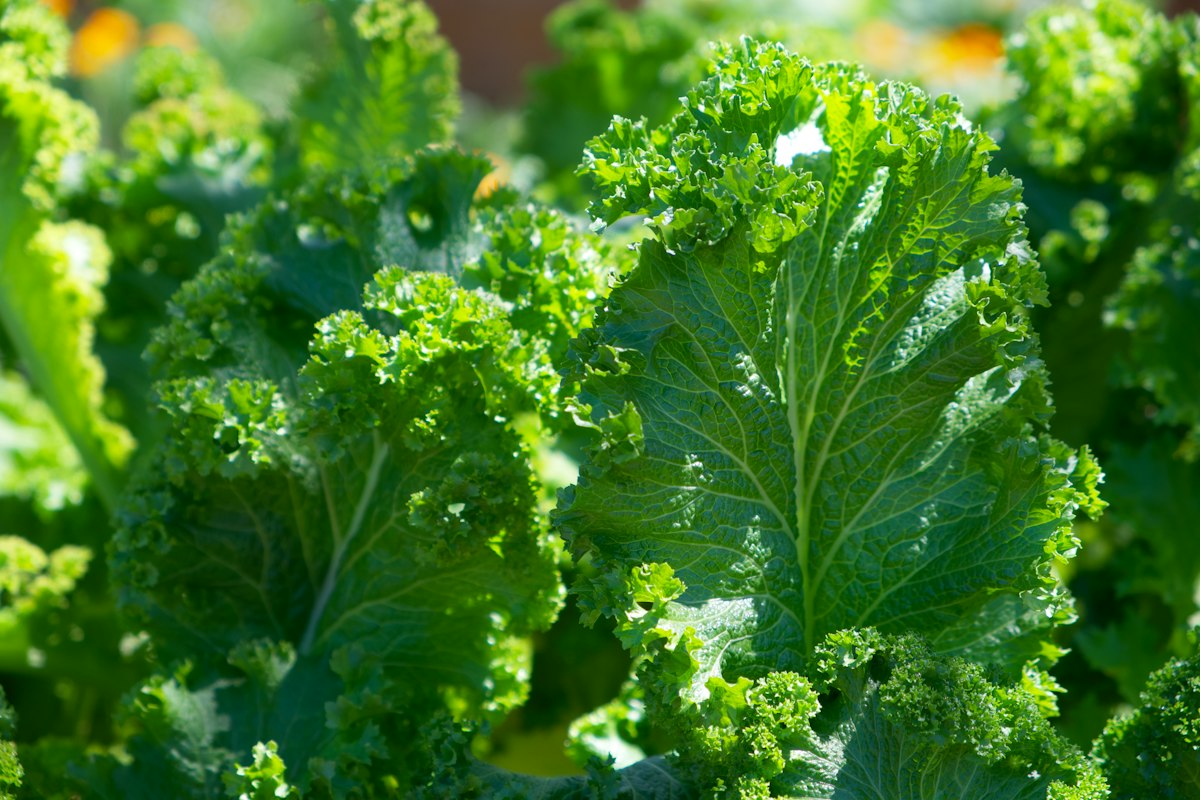
Building Your Sustainable Eating Approach
True success with diabetes-friendly eating comes from creating sustainable habits rather than following restrictive diets. The foods highlighted in this guide are designed to work with your body's natural rhythms, providing stable energy and supporting overall health without requiring constant willpower or sacrifice.
Start where you are, use the resources available, and build confidence through small daily choices. Many people find that once they understand which foods support their wellbeing, nutritious eating becomes the natural preference rather than a chore. Your body responds to consistent, balanced nutrition with improved energy, clearer thinking, and better overall function.
Remember that nutrition is just one aspect of wellbeing. Regular activity, adequate sleep, stress management, and supportive relationships all contribute to your health picture. This guide is meant to empower you to make informed choices about the foods you eat and the lifestyle you build around them.
What Our Community Says
"Healthydiabeticsneaks helped me understand that managing diabetes doesn't mean giving up enjoyable food. The practical tips made it so much easier to navigate eating out and social situations."
Sarah M.
Type 2 Diabetes, 2 years
"The snack ideas are game-changers. I finally have options that work with my blood sugar management without feeling like I'm restricting myself. My energy levels have improved significantly."
James T.
Type 1 Diabetes, 5 years
"As someone newly diagnosed, I felt overwhelmed. This resource broke everything down into manageable pieces. I'm now confident in my food choices and tracking my progress."
Maria L.
Type 2 Diabetes, 6 months
"The meal planning section has saved me so much time. I can prepare nutritious meals without stress, and my family loves the recipes too. Best resource I've found for diabetes management."
David K.
Type 2 Diabetes, 3 years
Frequently Asked Questions
Can I eat snacks if I have diabetes?
Absolutely! Healthy snacks can be part of your diabetes management plan. The key is choosing snacks that are balanced with protein, fiber, and healthy fats while being lower in refined carbohydrates. Planned snacks can help stabilize blood sugar levels between meals and prevent overeating at main meals.
How do I know if a snack is diabetes-friendly?
Look for snacks that combine protein, fiber, and healthy fats. Check nutrition labels for portion sizes, total carbohydrates, and fiber content. A good rule of thumb is choosing snacks with at least 3-5 grams of protein, under 15-20 grams of carbohydrates, and at least 2 grams of fiber. Always monitor how specific foods affect your individual blood sugar.
Should I avoid all sugar?
You don't need to avoid sugar completely, but managing sugar intake is important for blood sugar control. Focus on reducing added sugars and refined carbohydrates while still being able to enjoy naturally sweet foods in moderation. Work with your healthcare team to determine what works best for your individual situation.
How often should I check my blood sugar?
Blood sugar monitoring frequency depends on your type of diabetes, medications, and individual management plan. Type 1 diabetes typically requires more frequent monitoring, while Type 2 diabetes may require less frequent testing. Always follow your healthcare provider's specific recommendations and discuss any concerns during your regular appointments.
Can I eat these snacks if I'm not diabetic?
Yes! The snacks and nutritional principles featured on Healthydiabeticsneaks are beneficial for everyone. They support stable energy, sustained focus, and overall wellness. Whether you're managing diabetes or simply looking to improve your eating habits, these guidelines promote health for the entire family.